Ideas, stories, and support
Articles on therapy, mental health, relationships, gaming, parenting, and real life — written for people who thought therapy wasn't for them.

The Best Dog Breeds for Emotional Support
Explore the traits that make a dog a great emotional support companion and find the right fit for your lifestyle and mental health needs.

Grief After Losing a Pet: It's Real and It's Valid
The loss of a companion animal can be just as profound as the loss of a human loved one. Acknowledge your pain and understand that your bond was meaningful and worthy of mourning.

How to Find the Right Therapist for Your Child
Choosing a therapist for your child is a significant decision. Use this guide to understand what to look for and how to ensure a great fit.

Health Anxiety: When Googling Symptoms Becomes a Problem
Health anxiety can turn everyday bodily sensations into a source of constant fear, leading to an exhausting cycle of searching for answers online.

The Connection Between Anxiety and Perfectionism
Perfectionism is often an anxiety response designed to provide a sense of safety. Here is how you can break free from the pressure to be perfect.

Helping Autistic Kids Build Social Skills at Their Own Pace
Explore neurodiversity-affirming ways to support your child's social development that focus on connection rather than masking.

The Grief of a Divorce: Mourning a Marriage
Divorce is a significant life transition that involves grieving not just the person, but the loss of shared dreams and identity.

The Science Behind Animal-Assisted Therapy
Discover how the human-animal bond influences your nervous system and why therapy animals are more than just companions.

Complicated Grief: When Sorrow Won't Ease
When grief feels unrelenting and prevents you from living your daily life, it may be time to seek extra support. Learn the signs and why help matters.

Cats as Emotional Support Animals: Yes, They Count
Many people assume ESAs must be dogs, but cats provide unique and effective emotional support for a variety of mental health conditions.

Anxiety in Teens: Signs Parents Shouldn't Ignore
Anxiety in teenagers often looks different than it does in adults, making it crucial for parents to recognize the behavioral red flags.

Grounding Techniques That Actually Work for Anxiety
When anxiety hits, your brain can feel like it is spiraling. These grounding techniques help bring you back to the present moment safely and effectively.

Celebrating Neurodiversity: Reframing How We See Autism
Embrace a neurodiversity-affirming approach to autism by celebrating your child's unique way of being in the world.

How an Emotional Support Animal Helps with Anxiety
Explore the science and emotional benefits of how an ESA can help reduce anxiety and improve your quality of life.

How Pets Help Kids with Anxiety and Autism
Animals offer unique support for children with anxiety and autism. Discover the therapeutic benefits of the human-animal bond.

Grief and Physical Health: The Body Keeps Score
Grief is not just an emotional experience; it impacts your physical health in profound ways that require attentive care.

The Mental Health Benefits of Routine and Structure
Routine provides a stable foundation for mental well-being. Learn how small, structured habits can reduce anxiety and boost your overall mood.

Anticipatory Grief: Mourning Before the Loss
Anticipatory grief is the complex process of grieving a loss before it occurs, often while caring for a loved one with a terminal illness.

Supporting Your Autistic Child Through Transitions
Transitions can be challenging for autistic children; learn how to use visual supports and predictable routines to make shifts easier.

How to Support a Grieving Friend or Family Member
Supporting a loved one through grief is an act of deep kindness. Learn the most effective ways to be a steady presence during their time of sorrow.

Burnout vs. Depression: How to Tell the Difference
Distinguishing between burnout and depression is essential for effective healing. Learn the key differences and how to seek the right support.

Social Anxiety vs. Introversion: Knowing the Difference
Many people confuse being an introvert with having social anxiety, but they are fundamentally different experiences. This post explores the distinction and how to find balance.

Building Emotional Regulation Skills in Kids
Help your children navigate big emotions by teaching them essential regulation skills. These practical tips foster resilience and emotional intelligence.

How to Stop an Anxiety Spiral Before It Takes Over
Anxiety spirals can feel overwhelming, but there are proven strategies to regain control and calm your nervous system. Learn how to interrupt the cycle today.

Living with Your ESA: Rights, Responsibilities, and Realities
Navigating the realities of living with an ESA requires balancing your rights as a tenant with responsible pet ownership.

Morning Anxiety: Why You Wake Up Worried
Waking up with a racing heart or a sense of dread is a common experience, often driven by hormonal shifts and the transition into the day's demands.

When Anxiety Is Actually Trauma in Disguise
Sometimes what looks like generalized anxiety is actually an unprocessed trauma response. Learn how to distinguish between the two and find healing.

When Autism and Anxiety Co-Occur in Children
Learn how to distinguish between autistic traits and anxiety and find compassionate support for your child's emotional wellbeing.

What Anxiety Actually Looks Like (It's Not Always Panic)
Many people believe anxiety only manifests as full-blown panic attacks, but it often shows up in far more subtle, persistent ways that impact your daily life.

The Power of Small Wins in Mental Health Recovery
Mental health recovery is not about massive transformations overnight. It is built on the foundation of small, consistent wins.

Do I Qualify for an ESA? Understanding the Requirements
Discover the specific mental health criteria and legal requirements needed to qualify for an emotional support animal in Georgia.
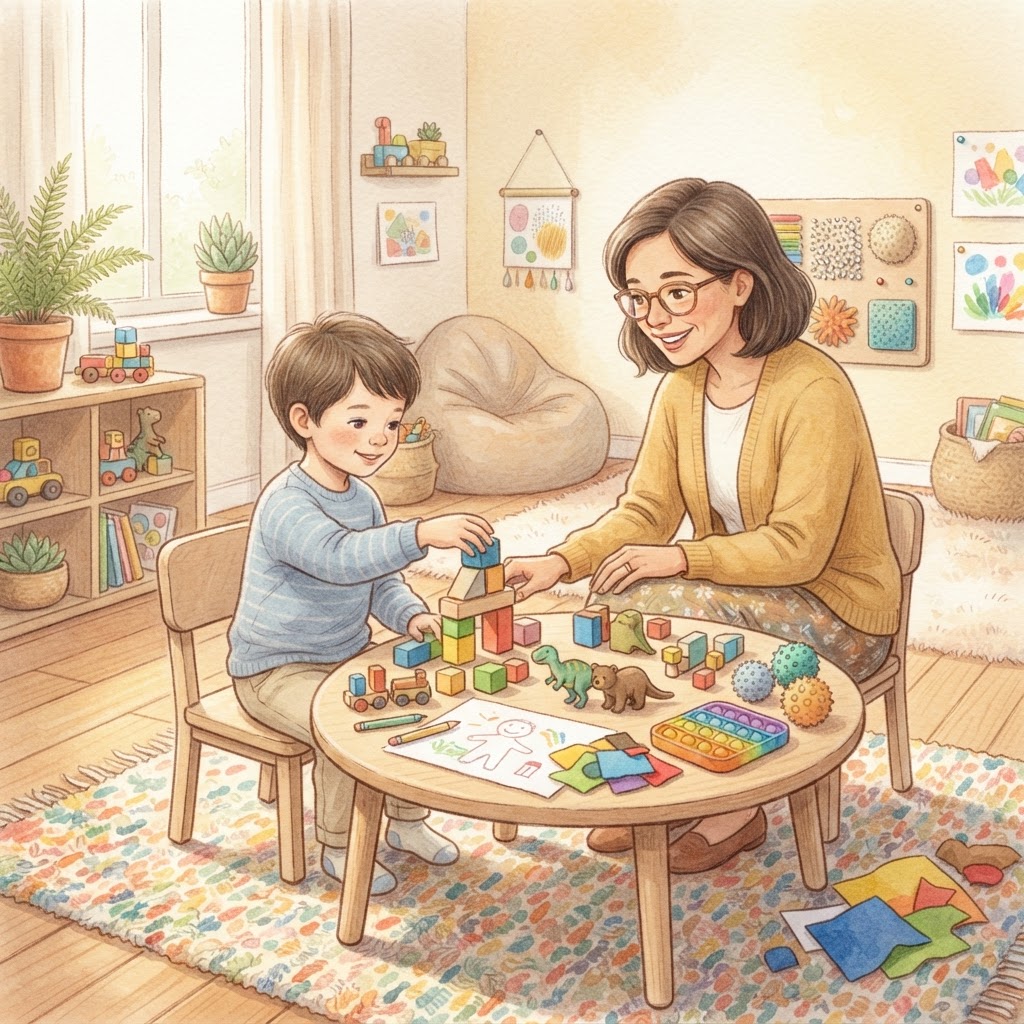
Play Therapy for Children on the Autism Spectrum
Discover how neurodiversity-affirming play therapy supports autistic children in expressing themselves and developing emotional regulation.

How to Talk to Your Landlord About Your Emotional Support Animal
Learn how to navigate housing rights and communicate effectively with your landlord regarding your emotional support animal under the Fair Housing Act.

Early Signs of Autism in Toddlers
Recognizing early signs in toddlers is about understanding their unique communication and sensory needs rather than checking off symptoms.
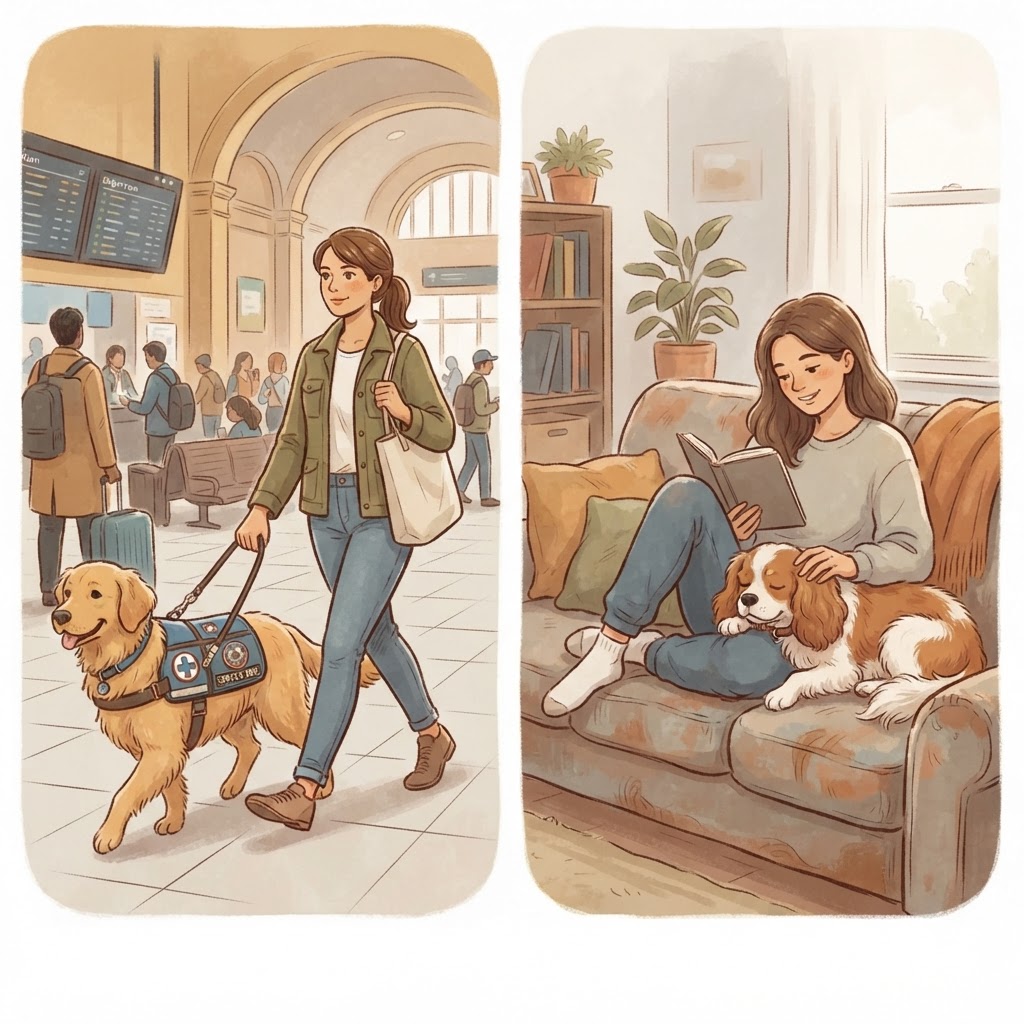
ESA vs. Service Animal: What's the Difference?
Clarify the legal and functional differences between emotional support animals and service animals to better understand your rights and needs.

Advocating for Your Autistic Child at School
Empower yourself to be a strong advocate for your autistic child's needs within the educational system using these effective communication strategies.

Finding Meaning After Loss: Rebuilding Your Life
Finding meaning after a major loss does not mean forgetting the past, but rather integrating the experience into your future life.

When to Seek Therapy: Signs It's Time to Reach Out
Deciding to start therapy is a brave act of self-care. Recognize the common signs that indicate it is time to seek professional support.

Grief During the Holidays: Coping Strategies
The holiday season can amplify feelings of loss, but intentional planning can help you navigate these difficult days with grace.

Gaming as a Coping Tool: When Video Games Help Mental Health
Discover how intentional video game play can serve as a valid tool for stress reduction and emotional regulation in your daily life.

Understanding the Stages of Grief: What to Expect
Grief is a complex and deeply personal journey that does not follow a linear path. Understanding the common stages can help you navigate the emotions that surface after a significant loss.

How Therapy Helps Children with Autism Thrive
Therapy for autistic children should be about empowerment, regulation, and building confidence, not changing who they are.

Grief in Children: How Kids Process Loss Differently
Children experience grief in ways that differ from adults, often oscillating between sadness and play. Understanding these nuances helps you guide them through the process.

Telehealth Therapy: Is It as Effective as In-Person?
Explore the benefits and effectiveness of telehealth therapy compared to traditional in-person sessions to decide what works for you.

ESA Letters: What to Look For (and What to Avoid)
Understand the legitimate process for obtaining an ESA letter and protect yourself from common online scams.

Understanding Autism in Children: A Parent's First Guide
Discover a compassionate, neurodiversity-affirming introduction to what it means for your child to be autistic and how to foster their unique strengths.

Sensory-Friendly Strategies for Anxious Autistic Kids
Discover practical, sensory-based tools to help your anxious autistic child feel safe and regulated in an unpredictable world.

Parenting Through Your Own Anxiety: Strategies That Help
Managing personal anxiety while raising children can feel overwhelming. Learn evidence-based strategies to regulate your nervous system and model healthy coping for your kids.

How to Prepare Your Pet to Be an Emotional Support Animal
Preparation is key for a successful ESA relationship. Learn how to train and acclimate your pet to better serve your mental health needs.

CBT for Anxiety: How It Works and Why It Helps
Cognitive Behavioral Therapy is a gold-standard approach for anxiety, helping you rewire the connection between your thoughts, feelings, and behaviors.
Ready to take the next step?
Reading is a great start. When you're ready, schedule a free consultation.
Schedule a Consultation