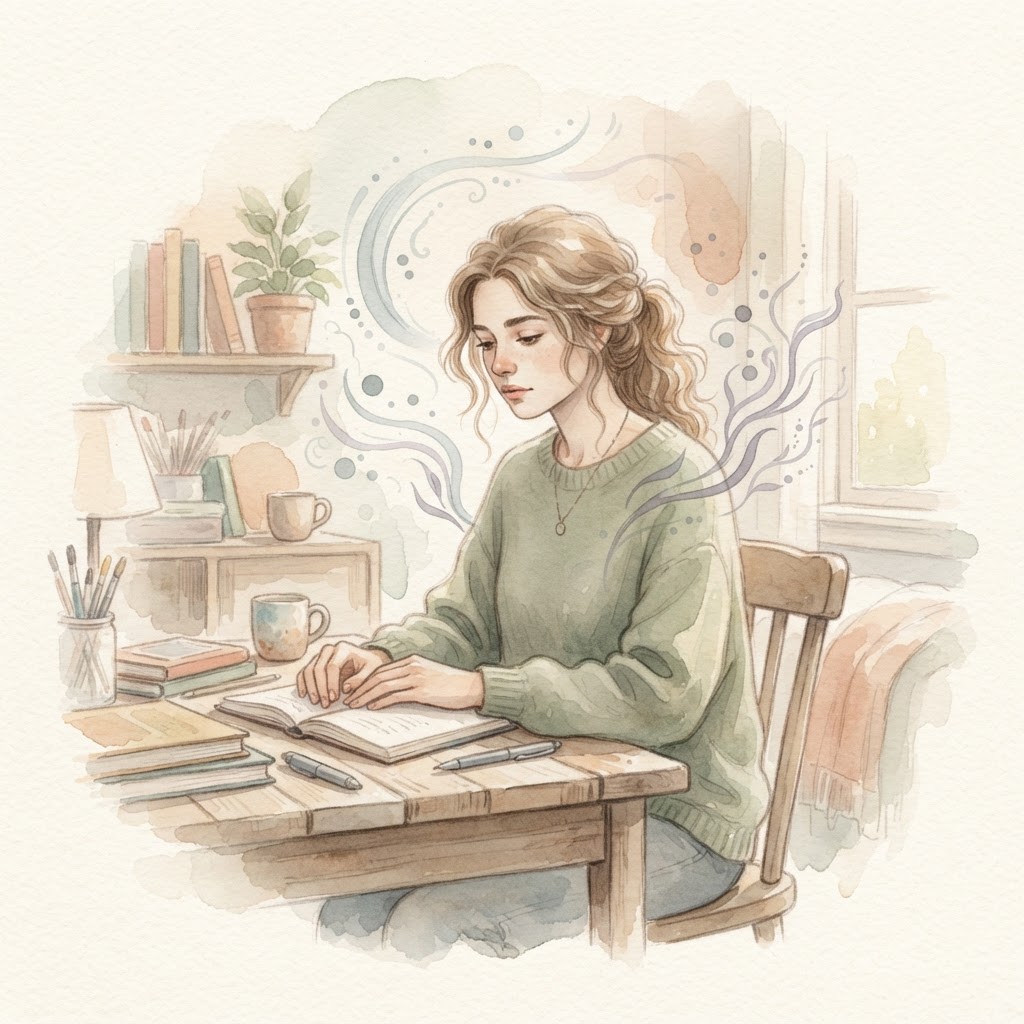
Understanding the Hidden Faces of Anxiety
When we hear the word anxiety, we often picture someone hyperventilating or experiencing a racing heart. While panic attacks are a real and intense part of the spectrum, anxiety is a much broader experience that frequently hides in plain sight.
The Silent Symptoms
Anxiety often manifests as physical sensations that we might mistake for other health issues. This can include persistent muscle tension, particularly in the shoulders and jaw, or a general feeling of restlessness. You might find that your stomach is frequently unsettled or that you experience chronic headaches. Emotionally, anxiety often looks like irritability, perfectionism, or a constant need to control your environment to feel safe.
Cognitive Patterns
Beyond physical sensations, anxiety often shows up as a loop of repetitive, intrusive thoughts. You might find yourself playing out worst-case scenarios for mundane events or struggling to focus because your mind is constantly scanning for potential threats. This is not just worrying; it is a clinical manifestation of an overactive nervous system trying to protect you from perceived dangers.
Shifting Your Perspective
Recognizing that these symptoms are part of an anxiety response is the first step toward managing them. Instead of viewing these feelings as personal flaws or personality traits, try to see them as signals from your nervous system. When you notice yourself becoming hyper-vigilant or overly critical, gently label it as anxiety. This simple act of identification can create a small space between you and the emotion, allowing you to choose a different response.
Practical Steps for Daily Regulation
One effective technique is grounding, which helps pull your focus away from racing thoughts and back into the present moment. Try the 5-4-3-2-1 technique: identify five things you can see, four you can touch, three you can hear, two you can smell, and one you can taste. This engages your senses and signals to your brain that you are currently safe.
If you find these symptoms are becoming a consistent barrier to your quality of life, please know that you do not have to navigate this journey alone. Our team at New Kind Counseling is here to provide support, and reaching out is a powerful, brave step toward finding your calm again.