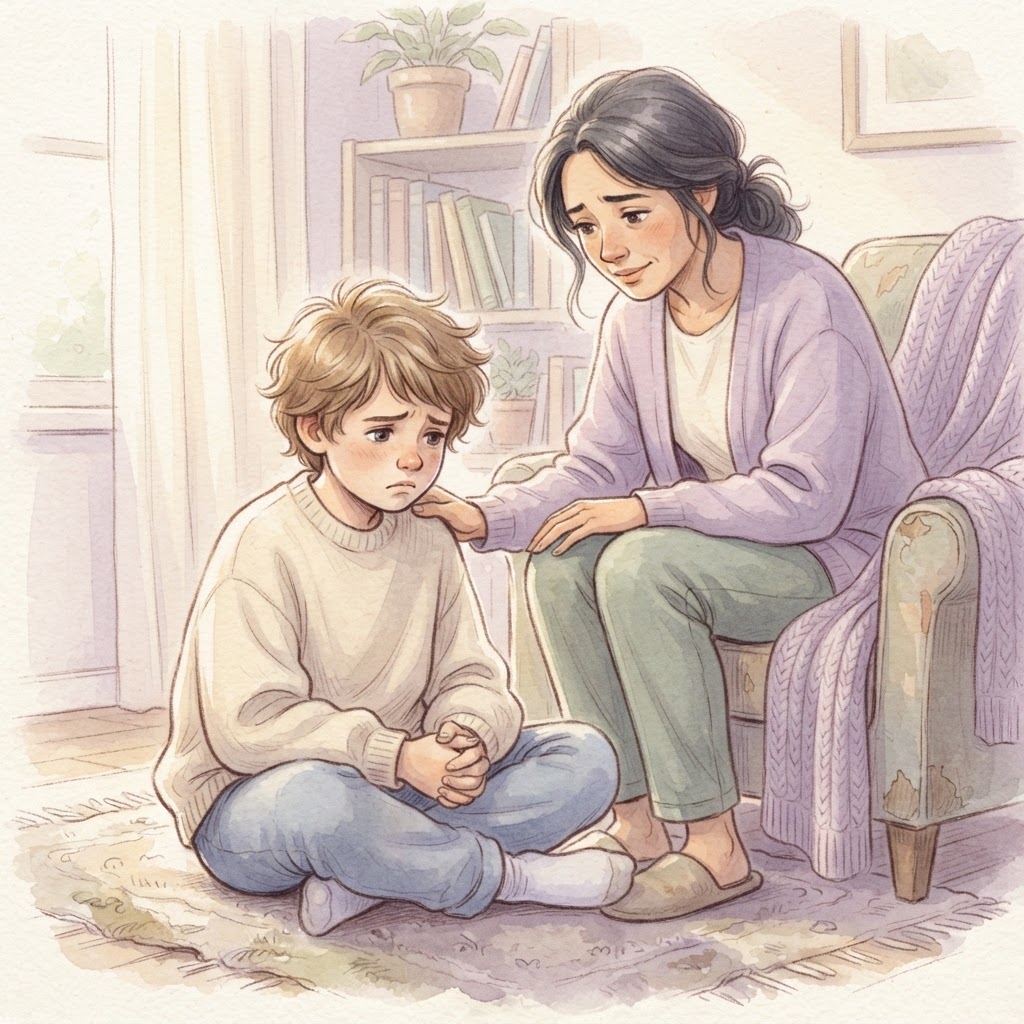
Distinguishing Sensory Needs from Anxiety
It is common for autistic children to experience anxiety, yet it is essential to distinguish between a natural sensory response and a state of heightened anxious arousal. Sometimes, what looks like anxiety is actually a physical response to an overwhelming environment or a need for sensory input. By observing your child's patterns, you can begin to identify the root causes of their distress.
Creating a Supportive Environment
When a child is anxious, their nervous system is in a state of high alert. As parents, your most powerful tool is providing a sense of safety and predictability. This does not mean removing all challenges, but rather ensuring your child has a calm space and clear expectations when they are feeling overwhelmed.
Practical Ways to Support Your Child
- Use visual schedules to reduce the anxiety of the unknown.
- Incorporate sensory breaks throughout the day to help regulate the nervous system.
- Validate their feelings by acknowledging that their experience of the world is real and valid.
Recognizing the Signs of Overwhelm
Many autistic children experience what is often called a meltdown, which is not a tantrum but an involuntary reaction to being pushed past their capacity. When your child is in this state, they need your presence and your patience more than anything else. Focus on reducing environmental stressors, such as noise, lights, or high demand, to help them return to a state of calm.
Moving Toward Gentle Coping Skills
Teaching coping skills should focus on helping the child recognize when their body is feeling tense and what they need to feel safer. This might include using noise-canceling headphones, engaging in a favorite repetitive activity, or having a quiet place to retreat. These tools empower your child to regulate their own nervous system over time.
If you believe your child is struggling with anxiety and could use professional support, please contact New Kind Counseling. We are here to provide compassionate, neurodiversity-affirming care.