Distinguishing Normal Stress from Anxiety
It is normal for teenagers to experience stress regarding school, friendships, or future plans. However, when that stress prevents a teen from engaging in activities they enjoy, or impacts their sleep and physical health, it likely crosses the threshold into an anxiety disorder.
Subtle Red Flags
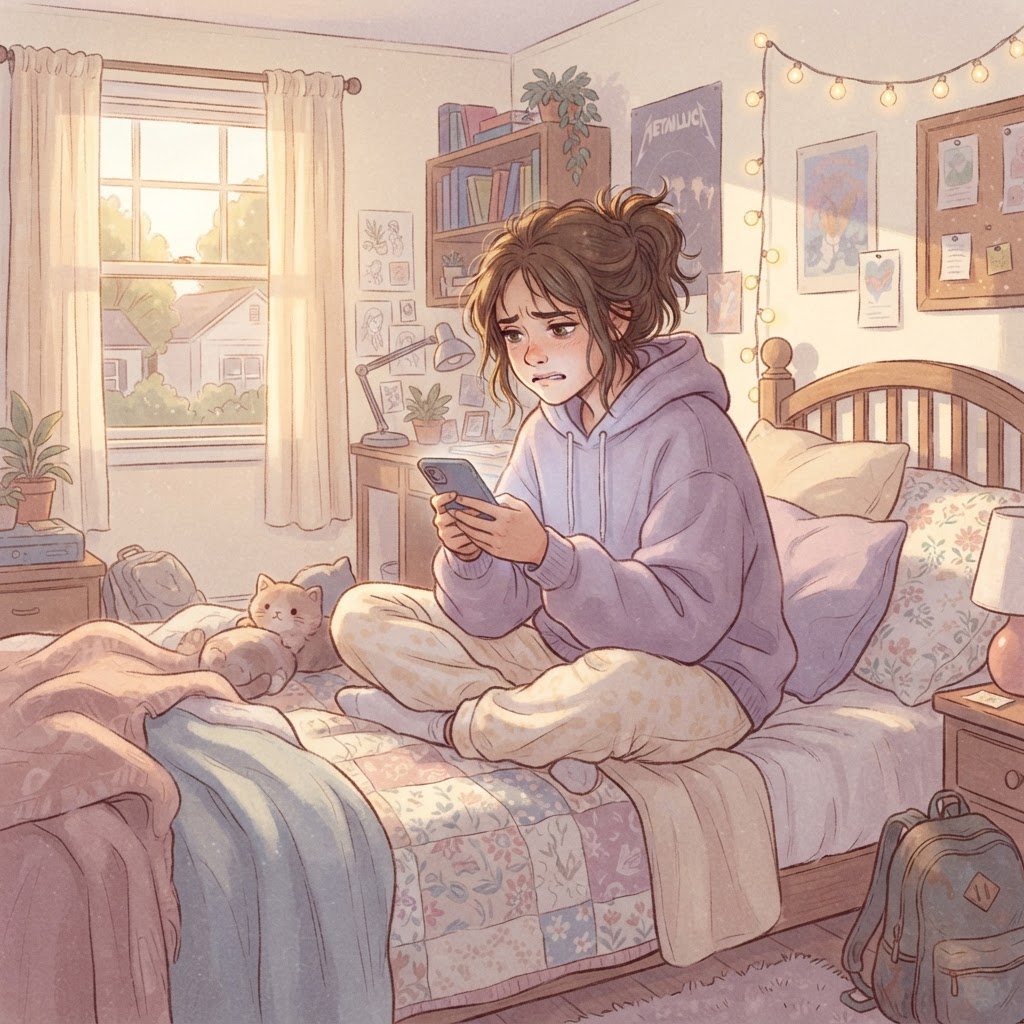
Teenage anxiety often manifests as irritability or withdrawal rather than clear expressions of worry. You might notice a teen avoiding social situations, spending an excessive amount of time in their room, or experiencing unexplained physical complaints like frequent stomachaches. They may also struggle with academic performance, not necessarily due to a lack of ability, but due to the overwhelming pressure to be perfect.
How Parents Can Help
When you notice these changes, approach your teen with curiosity rather than criticism. Instead of asking why they are being difficult, try asking, "I have noticed you have been spending more time alone lately, and I want to check in to see how you are feeling." Creating a safe space where they feel heard, without the immediate need for a fix, is vital for maintaining open communication.
Providing the Right Support
It is important to validate their feelings while also encouraging them to stay connected to their routines. Avoid the urge to remove all stressors, as this can inadvertently reinforce the idea that they are unable to cope. Instead, help them build resilience by supporting them through small challenges.
Professional Guidance
If you are concerned about your teen's well-being, reaching out to a therapist can be a transformative step. A professional can help your teen develop healthy coping mechanisms and provide you with the tools to support them effectively. Our therapists at New Kind Counseling are experienced in working with teens and their families, and we would be happy to discuss how we can support your child's journey to better mental health.